
Branding: From Concept to Creation and Everything in Between
Branding is more than a logo, a colour palette or something that looks nice on a business card. It is how people understand, remember and trust your business.
When most people think about branding, they picture a logo. Maybe a smart colour palette. Maybe a nice font that makes everything feel a bit more polished. And yes, all of those things matter. Nobody is suggesting your logo should look like it was made in a hurry on a rainy Tuesday afternoon.
But branding goes much deeper than that.
Your brand is the impression people get before they speak to you. It is the feeling they have when they land on your website, pick up your brochure, see your social media, open your proposal or receive your email signature. It helps them decide whether you look professional, credible, relevant and worth their time.
In simple terms, branding helps people work out who you are, what you do, why you matter and whether they can trust you. That is quite a lot of heavy lifting for a logo and a few colours.
At Design Thing, we create branding that gives businesses a clearer, stronger and more consistent identity. From early ideas and creative direction through to logo design, brand guidelines, websites and marketing materials, the aim is always the same: to help your business look like the business it has worked hard to become.
1. What Is Branding, Really?
Branding is often misunderstood because people tend to focus on the visual bits. The logo. The colours. The typography. The fancy mock-up where your brand appears on a tote bag, a coffee cup and the side of a building you probably do not own.
Those things are part of branding, but they are not the whole story.
Your brand is the complete identity of your business. It includes how you look, how you sound, how you communicate, how you position yourself and how people feel when they come across you. It is visual, verbal and emotional.
A strong brand usually includes:
- A clear logo and visual identity
- A considered colour palette
- Typography that suits the personality of the business
- Consistent graphic styles and design elements
- A tone of voice that sounds like you
- Clear messaging that explains what you do
- A consistent experience across your website, print, social media and sales materials
But more importantly, a strong brand helps remove confusion. It makes your business easier to understand. It gives people something to remember. It gives your team something to use. And it gives your marketing a proper foundation, instead of everything being designed from scratch every time you need a new flyer, post, proposal or web page.
Think of branding as the personality and presentation of your business working together. When it is done well, people may not always notice every detail. But they will feel the difference.
2. Why Branding Matters for Growing Businesses
Branding becomes especially important as a business grows. In the early days, you can often get by with a simple logo, a basic website and a few bits of marketing material created as and when you need them. That is normal. Every business starts somewhere.
But over time, things change.
Your services develop. Your audience becomes clearer. Your team grows. Your prices change. Your competitors improve. Your customers expect more. Suddenly, the brand you started with no longer feels like the business you are today.
That is where professional branding can make a real difference.
Strong branding helps your business:
- Look more established and credible
- Build trust before a conversation starts
- Communicate more clearly
- Stand out from similar businesses
- Create consistency across every customer touchpoint
- Attract better-fit clients
- Support stronger marketing and sales activity
People make decisions quickly. Sometimes unfairly quickly. A potential customer might only spend a few seconds looking at your website or marketing before forming an opinion. If your brand looks dated, unclear or inconsistent, they may assume the business behind it is the same.
That might not be true, of course. You might offer an excellent service. You might have years of experience, loyal customers and a brilliant team. But if your branding does not reflect that, you are making people work harder to believe it.
Good branding closes that gap. It helps the outside of your business match the quality on the inside.
If your current identity no longer reflects who you are, a Brand & Website Refresh Package can be a practical way to bring everything back into alignment.
3. The People Behind the Brand
Branding is not just about making a business look good. It is about making communication easier for real people.
There is the business owner who knows their company is good but struggles to explain why. There is the customer trying to decide who to trust. There is the sales team sending proposals that all look slightly different. There is the marketing person trying to keep social posts, brochures and email campaigns looking consistent while quietly wondering where the latest logo file has disappeared to.
Good branding helps all of them.
For customers, it creates clarity. They can quickly understand what the business does, who it helps and whether it feels right for them.
For business owners, it creates confidence. You feel better sending people to your website, handing over a brochure or presenting your company because everything looks considered and professional.
For teams, it creates consistency. Everyone has the same visual toolkit, the same tone and the same understanding of how the business should be presented.
That is why branding should never feel like decoration. It should feel useful. It should make your business easier to recognise, easier to explain and easier to remember.
And it should still feel like you. A good brand should not turn your business into something stiff, soulless or painfully corporate. Nobody wants to sound like they were assembled by a committee in a windowless meeting room.
The best branding brings the right version of your business into focus.
4. From Concept to Creation: What the Branding Process Looks Like
A professional branding project is a journey. Not in a dramatic reality-TV sense, thankfully. Nobody needs to cry in front of a mood board. But there is a process, and each stage has a purpose.
At Design Thing, branding usually starts with understanding. Before anything is designed, it is important to know what the business does, who it serves, what makes it different and where it wants to go.
Discovery
This is where the conversation starts. What do you do? Who are your customers? What are you trying to achieve? What is working? What feels wrong? What do competitors look like? What do you want people to think when they see your business?
Discovery helps uncover the practical and emotional side of the brand. It gives the design process direction, so decisions are not based purely on personal taste.
Positioning
Positioning is about understanding where your business sits in the market. Are you premium, approachable, technical, friendly, specialist, bold, traditional, modern or somewhere in between?
This matters because a brand should reflect the type of business you are and the type of customers you want to attract.
Creative Direction
Once the strategy is clearer, the creative direction begins. This may include exploring visual styles, colours, typography, references, tone and the general feel of the brand.
This stage helps set the mood before detailed design work begins. It is the difference between heading somewhere with a map and wandering around hoping to accidentally find a brand identity. One of those is better.
Logo and Identity Design
The logo is still important. It is often the most recognisable part of your brand, so it needs to work hard. It should be clear, memorable, appropriate and flexible enough to work across different formats.
Through a Logo Design & Branding Package, the aim is to create a visual identity that feels distinctive and practical, not just attractive in isolation.
Brand Application
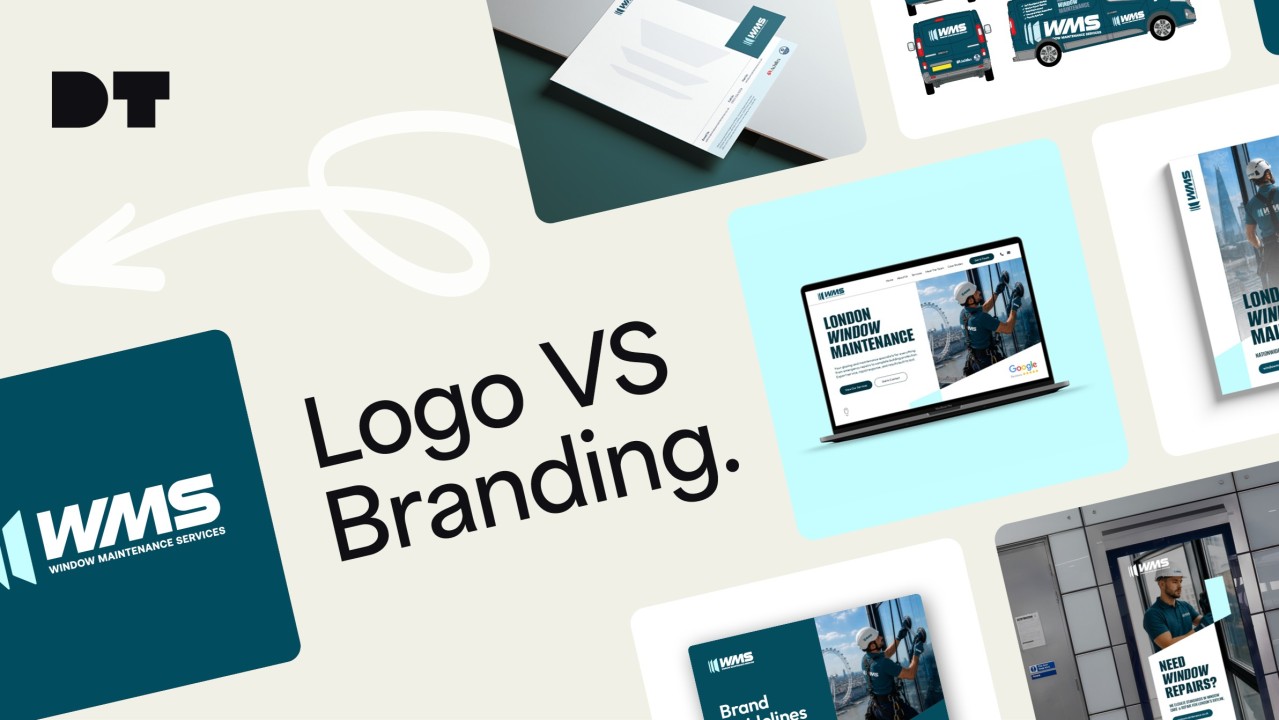
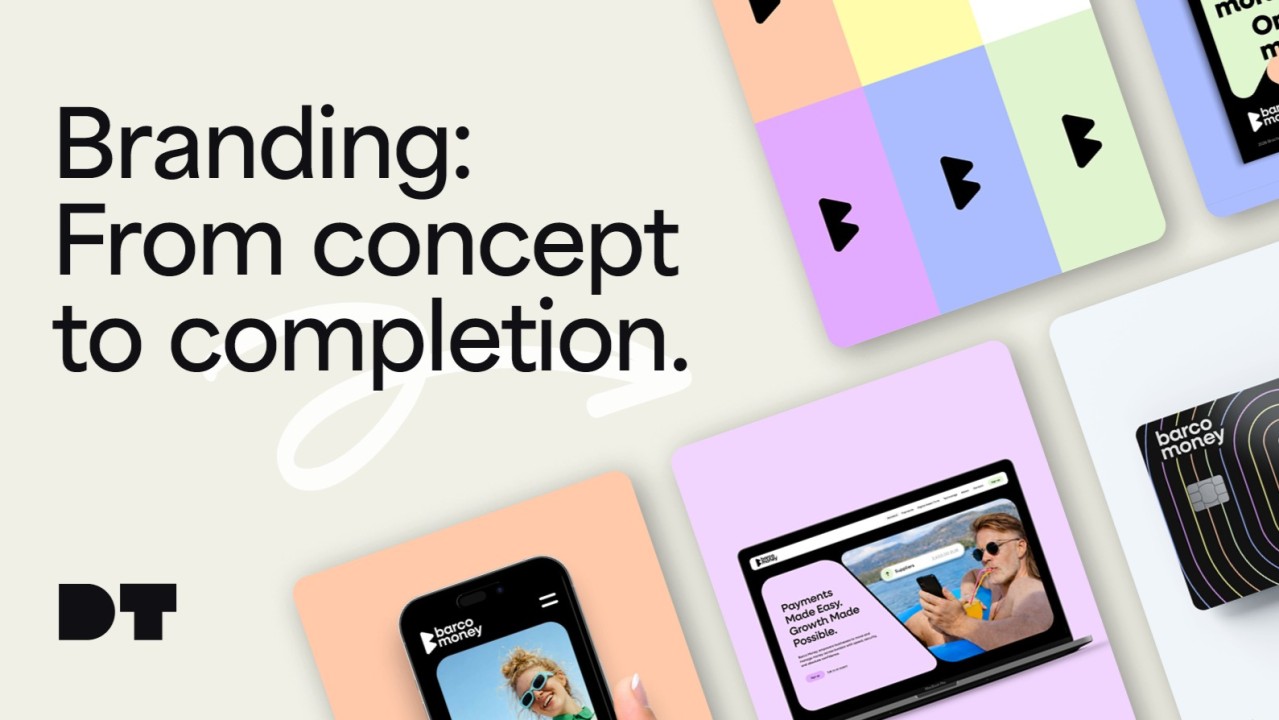
A brand does not live in a folder. It lives in the real world. On websites, business cards, social posts, signage, brochures, proposals, presentations, email signatures and all the other places your business appears.
Brand application shows how the identity works in practice. This is where the brand becomes useful, flexible and ready to use.
Brand Guidelines
Finally, brand guidelines help keep everything consistent. They explain how the logo, colours, fonts and visual elements should be used, so your brand does not slowly drift into chaos over time.
Because without guidelines, someone will eventually stretch the logo, change the font and use a shade of blue that nobody approved. It is only a matter of time.
5. What You Can Expect From a Professional Branding Project
If you have never been through a branding project before, it can feel a bit daunting. You may feel like you need to arrive with all the answers, a perfect creative brief and a clear vision already mapped out.
You do not.
A good branding process helps you find clarity. You might know that your current brand feels wrong without knowing exactly why. You might know what you do not like before you know what you do like. That is normal.
During a professional branding project, you can expect:
- A collaborative process
- Questions about your business, audience and goals
- Creative ideas based on strategy, not guesswork
- Opportunities to review and give feedback
- Clear explanations of design decisions
- Refinement until the identity feels right
- Final files and assets that are ready to use
The process should feel guided, not overwhelming. You should not feel like you are being handed a mysterious design and told to simply approve it. You should understand why ideas have been presented and how they support your business.
The end result should be a brand identity that looks good, feels right and works properly across the places you need to use it.
6. How Branding Helps Your Business Commercially
Branding is creative, but it is not just about creativity. It has a commercial job to do.
A clear, professional brand can help improve how people perceive your business. It can make you look more credible, more established and more trustworthy. It can help you stand out in a crowded market and give potential customers more confidence in choosing you.
That does not mean branding magically turns every visitor into a customer overnight. If only. We would all be wearing capes. But it does support the buying decision by reducing doubt and increasing confidence.
Branding can help your business by:
- Making first impressions stronger
- Helping people understand your offer faster
- Improving the quality and consistency of your marketing
- Supporting higher-value enquiries
- Making your website feel more professional
- Giving your sales materials more authority
- Helping customers remember you
This is especially important when branding and web design work together. Your brand gives the website its visual language, tone and personality. Your website then gives the brand somewhere to communicate, convert and perform.
If your website is often the first place people experience your business, your brand needs to show up there clearly and consistently. That is why branding often works hand in hand with professional Web Design.
7. Signs Your Business May Need Better Branding
Branding does not last forever. Even strong brands need reviewing from time to time. Businesses evolve, markets change and customer expectations move on. What worked five or ten years ago may not be doing the job today.
You may need better branding if:
- Your business has changed but your identity has not
- Your logo feels dated or difficult to use
- Your website no longer reflects the quality of your work
- Your marketing materials all look slightly different
- You struggle to explain what makes you different
- Your competitors look more polished or professional
- You are attracting the wrong type of enquiry
- Your team uses different versions of your logo or colours
- You feel slightly embarrassed sending people to your website
That last one is usually a big clue.
If you find yourself saying, “Ignore the website, we’re much better than that now,” then your brand is probably under-selling you.
The good news is that improving your branding does not always mean starting again from scratch. Sometimes you need a full rebrand. Sometimes you need a brand refresh. Sometimes you simply need more consistency across your existing materials.
The right approach depends on where your business is now and where you want it to go next.
8. What Should Be Included in a Brand Identity?
A strong brand identity should give your business a complete toolkit, not just one logo file sitting lonely in a folder called “final-final-actually-final”.
Depending on the project, a brand identity may include:
- Primary logo
- Secondary logo or alternative layouts
- Icon or brand mark
- Colour palette
- Typography
- Graphic elements or patterns
- Photography or image style guidance
- Social media styling
- Business stationery
- Brochure or marketing material design
- Website design direction
- Brand guidelines
The goal is to make sure your brand can be used consistently across different platforms. Your website should feel connected to your business card. Your social media should feel connected to your brochure. Your proposal should feel connected to your email signature.
This consistency helps build recognition. People may not consciously notice every repeated colour, font or visual detail, but their brain starts to connect the dots. Over time, your business becomes easier to recognise and remember.
That is why branding often connects naturally with wider design support, including web design, logo and branding packages, printed materials, digital assets and marketing content.
9. Branding Is Not About Pretending to Be Something You Are Not
One of the biggest worries businesses have about branding is that it will make them feel fake. Too polished. Too corporate. Too far removed from the people behind the company.
But good branding should not disguise your business. It should reveal it more clearly.
The aim is not to make a friendly local business look like a global tech giant. It is not to make a specialist consultancy look like a nightclub. It is not to cover everything in gradients because someone saw it on a trend report.
The aim is to understand what makes your business valuable and present that in a way that feels clear, confident and appropriate.
Branding should help you feel more like yourself, not less.
For some businesses, that means looking bold and energetic. For others, it means calm, professional and reassuring. For others, it means warm, approachable and personal. There is no single correct style. The right brand depends on the business, the audience and the impression you need to create.
That is why a people-focused branding process matters. It considers not just how something looks, but who it is for, how it will be used and what it needs to communicate.
10. How Design Thing Can Help
At Design Thing, we help businesses turn ideas, experience and personality into clear, professional brand identities. Whether you are launching something new, refreshing an existing business or trying to bring more consistency to your marketing, we can help shape a brand that feels considered, practical and ready to use.
Our branding work can support everything from logo design and visual identity to websites, stationery, social media graphics, brochures, digital marketing assets and wider creative direction.
We also understand that branding is not just about design for design’s sake. It needs to help your business communicate better, look more credible and make life easier when you need to promote yourself.
If you are starting from scratch, our New Business Startup Package can help you launch with a professional brand identity and website from day one. If your business already exists but feels a little tired, inconsistent or out of date, our Brand & Website Refresh Package may be a better fit.
And if your brand is ready but your online presence needs to work harder, we can support you with bespoke Web Design, SEO services and social media design support.
You can also explore how branding and web design come together in real projects, such as our Colubrid case study, where a refreshed identity, bespoke website and supporting assets helped create a more consistent and professional presence.
Branding From Concept to Creation
Branding is one of those things that is easy to underestimate until it starts holding your business back.
When it works, it makes everything feel easier. Your website has direction. Your marketing feels consistent. Your proposals look more professional. Your team knows what to use. Your customers understand you faster.
When it does not work, everything feels harder. You spend too long explaining yourself. Your materials feel disconnected. Your website does not match your service. Your business looks smaller, older or less confident than it really is.
A strong brand will not do the work for you, but it will help the work you are already doing land better.
It gives people a reason to trust you, remember you and take you seriously. And in a world where people make quick decisions, compare businesses instantly and expect professionalism before they even make contact, that matters.
So, whether you are at the concept stage, the creation stage or the slightly awkward “we have three logo versions and nobody knows which one is correct” stage, branding can help bring everything together.
Need help creating or refreshing your brand? Get in touch with Design Thing and let’s talk about how your business should look, feel and be remembered.
Frequently Asked Questions About Branding
What is included in a branding project?
A branding project can include discovery, positioning, logo design, colour palette, typography, visual identity, brand applications and brand guidelines. Depending on the project, it may also include stationery, social media assets, brochures, website design direction and other marketing materials.
Why is branding important for a business?
Branding helps people understand, trust and remember your business. It creates consistency across your website, marketing materials and customer touchpoints, making your business look more professional and easier to recognise.
Is branding just logo design?
No. Logo design is an important part of branding, but branding also includes your messaging, tone of voice, colours, typography, visual style, positioning and the overall impression your business creates.
When should a business update its branding?
A business should consider updating its branding when its identity feels outdated, inconsistent or no longer reflects the quality, direction or personality of the business. If your company has evolved but your visual identity has stayed the same, it may be time for a refresh.
How does branding support web design?
Branding gives a website a clearer creative direction. It helps define the colours, typography, imagery, tone and visual style that shape the overall user experience. A strong brand makes a website feel more consistent, professional and memorable.
Do I need a full rebrand or just a brand refresh?
That depends on how far your current identity is from where your business needs to be. A full rebrand may be needed if your positioning, audience or visual identity has changed significantly. A refresh may be enough if the foundations are still right but the brand needs modernising or tightening up.